

Dry skin is a common concern that can affect people of all ages. It may leave your skin feeling tight, rough, flaky, or uncomfortable. Changes in weather, frequent bathing, harsh soaps, and inadequate moisturization can contribute to dryness.
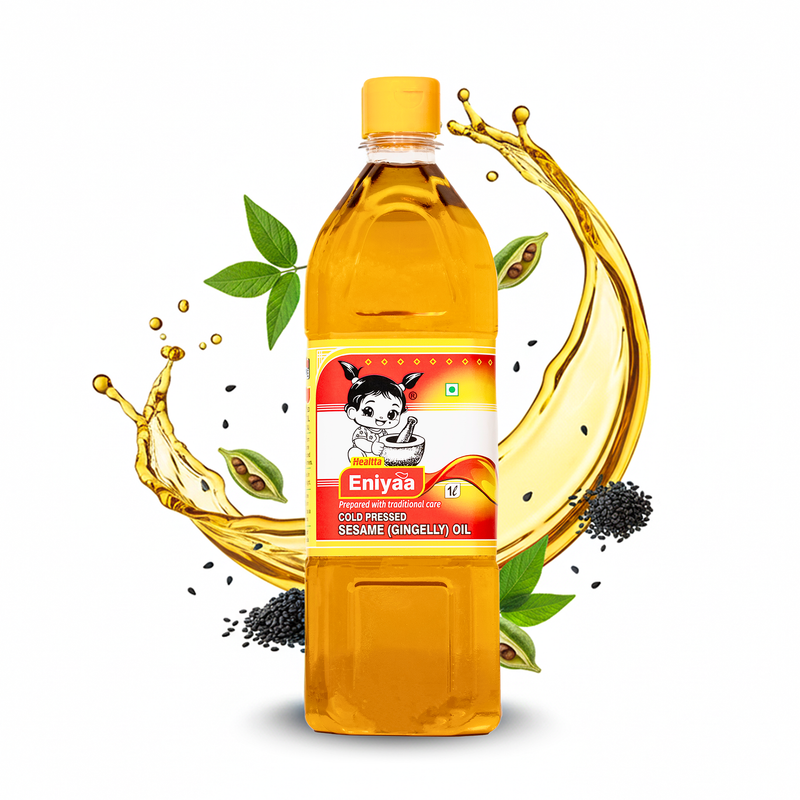
While many people turn to commercial moisturizers, natural oils have also become popular in skincare routines. One traditional option is sesame oil, extracted from sesame seeds and widely used in Indian households for cooking, massage, and personal care.
But Is Sesame Oil Good for Dry Skin? Can it help maintain softness and prevent moisture loss? And are there any precautions you should know before applying it?
Sesame oil may help soften dry skin by providing an oily layer that reduces moisture loss. However, scientific evidence specifically supporting sesame oil as a treatment for dry skin remains limited. It should not be considered a proven treatment for eczema or other skin conditions.
In this article, we explore the Benefits of Sesame Oil for Skin, including its potential role in managing dryness, how to use it safely, possible side effects, and when a dermatologist's advice is necessary.
How to Use Sesame Oil for Glowing Skin
People interested in How to Use Sesame Oil for Glowing Skin should focus on gentle skincare and maintaining moisture. If you do not have a sesame allergy and your skin tolerates the oil, apply a small amount to slightly damp skin after bathing. Spread it gently over selected dry areas and monitor for redness, itching, or breakouts.
Sesame oil may temporarily make the skin feel smoother, but there is insufficient clinical evidence that it removes pigmentation, eliminates wrinkles, or produces a lasting glow. For daily care, combine gentle cleansing with a suitable fragrance-free moisturizer and broad-spectrum sunscreen.
Sesame Oil Moisturizer: Benefits of Sesame Oil for Skin Compared With Regular Moisturizers
A Sesame Oil Moisturizer routine may help reduce moisture loss by providing an oily layer over the skin. Sesame oil can also help lubricate rough areas, making them feel softer. However, it does not provide water to the skin in the same way that moisturizers containing humectants, such as glycerin, can.
The Benefits of Sesame Oil for Skin should therefore be considered primarily potential cosmetic benefits rather than proven medical effects. For persistent dryness, fragrance-free creams and ointments containing ingredients such as glycerin, ceramides, or petrolatum are generally more established options.
Sesame Oil Side Effects on Skin: Important Precautions
Understanding Sesame Oil Side Effects on Skin is important before incorporating this traditional oil into your skincare routine. Although sesame oil may help soften dry skin, it can cause irritation or allergic contact dermatitis in susceptible individuals.
Possible warning signs include redness, itching, swelling, burning, or a new rash. Stop using the oil if these symptoms develop. People with a known sesame allergy should avoid applying sesame oil unless specifically advised otherwise by an appropriate healthcare professional.
Avoid applying it to open wounds, burns, infected areas, or severely inflamed skin without medical guidance. Seek emergency care if you experience breathing difficulty or swelling of the face or throat.
Frequently Asked Questions About the Benefits of Sesame Oil for Skin
1. Is Sesame Oil Good for Dry Skin?
Sesame oil may help soften dry skin and reduce moisture loss by forming a thin oily layer. However, clinical evidence specifically supporting topical sesame oil as a treatment for dry skin remains limited. Fragrance-free moisturizers are a more established option for everyday care.
2. Can I Use Sesame Oil on My Face Every Day?
Not everyone will tolerate sesame oil on the face. If you do not have a sesame allergy and choose to try it, test a small area first and monitor for irritation. People with sensitive or acne-prone skin should be particularly cautious.
3. How to Use Sesame Oil for Glowing Skin Safely?
Apply a small amount to slightly damp skin if you tolerate it. Avoid broken skin, stop if irritation develops, and use sunscreen during the day. Sesame oil may improve softness temporarily, but it is not a proven treatment for pigmentation or wrinkles.
4. Is a Sesame Oil Moisturizer Better Than a Regular Moisturizer?
Sesame oil may help reduce moisture loss, but it does not hydrate the skin in the same way as products containing humectants. A fragrance-free cream or ointment is generally a more reliable first choice for persistent dryness.
5. What Are the Main Sesame Oil Side Effects on Skin?
Potential side effects include redness, itching, irritation, allergic contact dermatitis, and possible breakouts in some individuals. Anyone with a known sesame allergy should avoid topical sesame oil unless a qualified healthcare professional specifically advises otherwise.
6. Is Sesame Oil Effective for Wrinkles?
There is insufficient clinical evidence that topical sesame oil removes wrinkles or reverses skin ageing. It may temporarily make the skin feel smoother, but this should not be confused with a proven anti-ageing treatment.
7. How Long Does Sesame Oil Take to Improve Dry Skin?
There is no established timeline because clinical evidence is limited. If dryness persists despite appropriate moisturizing, consult a dermatologist rather than continuing an ineffective remedy.
Conclusion: Exploring the Benefits of Sesame Oil for Skin
Sesame oil is a traditional plant-based oil that may help soften dry skin, provide surface lubrication, and reduce moisture loss in some individuals. The potential Benefits of Sesame Oil for Skin make it an interesting ingredient to consider, although stronger clinical research is needed to establish its effectiveness.
Whether you are researching Sesame Oil for Dry Skin, considering a Sesame Oil Moisturizer, or learning How to Use Sesame Oil for Glowing Skin, remember that natural ingredients are not automatically safe or effective for everyone.
Be aware of possible Sesame Oil Side Effects on Skin, especially if you have sensitive skin or a sesame allergy. If you are wondering Is Sesame Oil Good for Dry Skin, the answer is that it may help some people with surface dryness, but it is not a proven treatment for persistent skin conditions.

0 comments